 Understanding Influences
NAVIGATING
INFLUENCE
You'll hear a lot of opinions about drugs. This section helps you spot the influence around you and decide what you actually think.
How Small Signs Get Missed
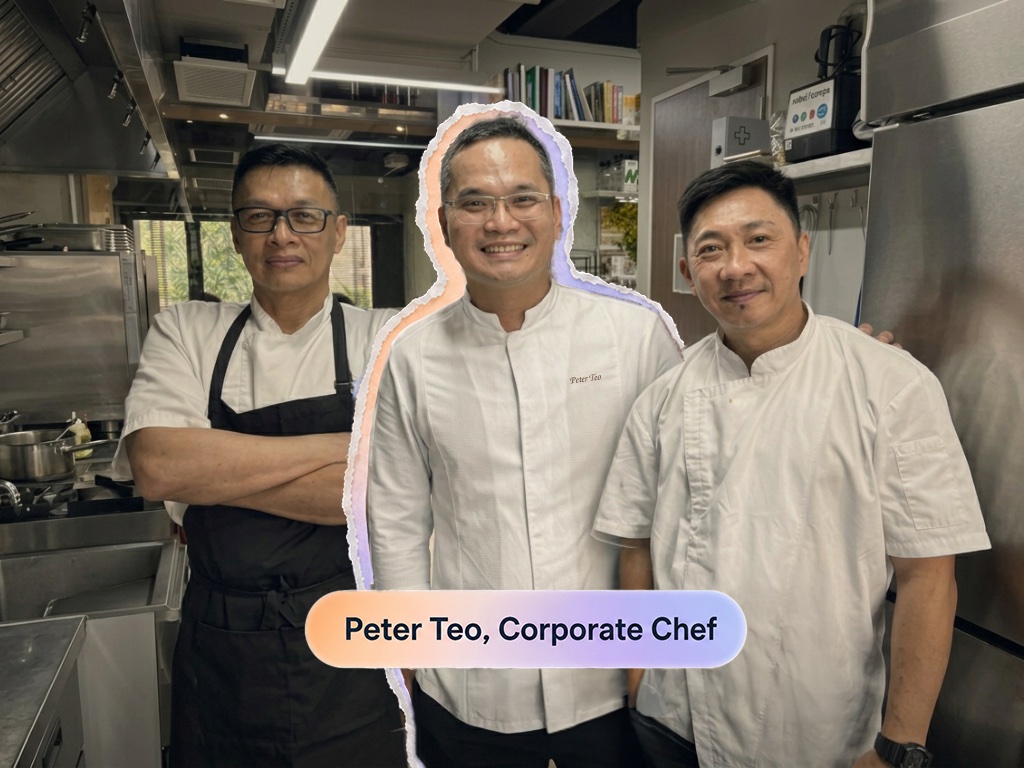
[TLDR: Drug abuse rarely starts with one big moment. More often, it grows through small choices, quiet shifts and warning signs that are easy to miss until things have already gone too far. In this interview-led feature, Peter Teo reflects on how earlier intervention, steady check-ins and speaking up sooner could have made a difference before drug […]
Most of Us Say No – So HOW Do We Actually Say So?
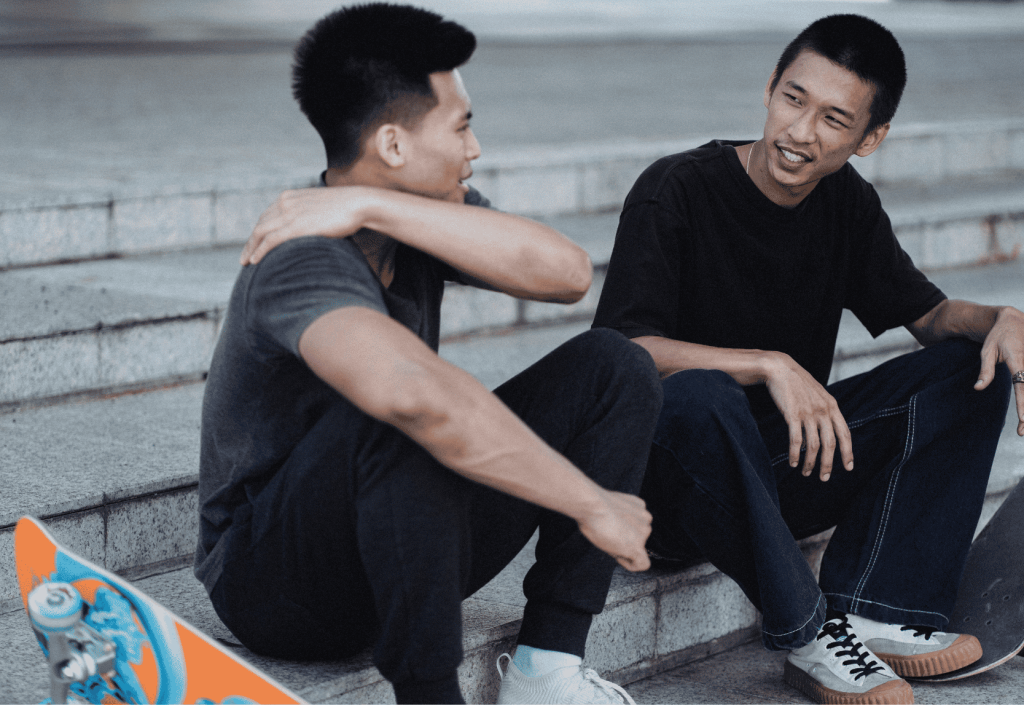
[TLDR: Most of us already know where we stand on drug abuse but that does not always make it easy to say so when the topic surfaces in casual conversations, especially with someone we care about. This article looks at how to hold your ground without shutting the person out, and why speaking up can […]

Most of Us Say No – So WHY Aren’t We Saying So?
[TLDR: More than 90% of Singaporeans want the country to remain drug-free. But it can feel like the opposite is true in the online space. This article looks at how permissive drug views gain hegemony through the cultural lens for wider social issues, of legality, progressiveness, normalisation, curiosity and groupthink – and why knowing our […]

Selling the High: Celebrity Power and the Commercial Normalisation of Drugs
[TLDR: Celebrity-backed marketing makes drugs feel trendy, desirable, and “wellness-adjacent.” Star power represents the extreme end of how some voices carry disproportionate influence – a dynamic that exists in all social contexts but reaches massive scale through fame and cultural authority. It’s a reminder to see past the hype and consider the real risks.]

What History Tells Us About Staying Uninfluenced
[TLDR: How do habits and ideas become “normal”? Singapore’s early experience with opium shows how trade, colonial policy, and social pressures once turned a substance into a widespread habit – with devastating consequences. Today, ‘vehicles of influence’ – from viral trends to celebrity endorsements to wellness marketing – work similarly but at a speed way deadlier than ever before. Understanding how influence operates historically helps us recognise and resist it today.]

When “Doing It Together” Starts Doing the Thinking for You
[TLDR: Shared experiences are powerful. They bond us, define our friendships, and help us feel like we belong. But when the desire to experience something together outweighs rational consideration, our judgement can blur, especially when everyone else seems on board. We start to rationalise risky activities because the group’s collective participation makes them feel safer than they actually are, while creating stronger bonds through shared risk-taking. The question is: when does belonging start costing more than it’s worth and how do we still find our own voice and place within the group?]

“Soft” Drugs don’t mean Safe, the Label is Cultural, not Scientific
[TLDR: Popular culture often divides drugs into “soft” and “hard”, framing some substances as casual or low-risk and others as dangerous and life-altering. However, this binary is not rooted in science. It is a cultural construct shaped by media portrayals, legal frameworks, and social narratives – and it can downplay real harm.]

When Curiosity Clicks Back: How Online Exploration Shapes What We See and Believe
[TLDR: The Internet makes it easy to explore anything we’re curious about, but not all curiosities lead to healthy learning. When it comes to drugs, small curiosities can lead to constant exposure to pro-drug content. Though we can’t change how the Internet is wired, we can change how we use it to ensure our curiosities don’t lead us down a rabbit hole of content we don’t want to see!]

The Calm Before the Crash: When Drugs become the Escape Plan
[TLDR: Drug abuse doesn’t always look reckless. Sometimes, it hides behind self-care and “mental resets”. Today’s wellness-driven social media culture often reframes substances like cannabis (weed) and psychedelics as tools for “relaxation,” “soft life,” or “just vibing,” blurring the lines between genuine rest and quiet avoidance. Rest restores us, while avoidance merely postpones dealing with our problems, but wellness language makes it harder to tell them apart. When numbing ourselves (read: checking out) becomes normalised as “self-care,” what starts as occasional relief can escalate into dependency before we realise the difference.]

Wellness or Warning Signs? When “Health” Hacks Blur the Lines
[TLDR: Wellness is all the rage today and understandably so. With its popularity, some companies have taken the opportunity to promote drug products as “wellness” products while cleverly hiding its risks. Real wellness isn’t about the quick fixes. It’s rooted in unbiased research, expert advice from credible healthcare professionals and building genuine healthy habits – not branded solutions from companies profiting off them.]

The Algorithm Detox
[TLDR: Ever engaged with one social media post and suddenly your whole feed looks the same? That’s no coincidence – it’s the algorithm at work. What we pause to watch, click or like tells the system what to show us next. Over time, this can colour what we see – sometimes positively, sometimes not – possibly shaping how we think, and influences what we believe. Our feeds are an algorithm’s best guess at keeping us hooked, but not necessarily a reflection of reality. This article unpacks how social media’s engagement loop can trap us in echo chambers and how to scroll with intention so the algorithm works for us, not the other way around.]

Love, Loyalty, and Limits: Would You Date Someone Who Abuses Drugs?
[TLDR: We all want to care for the people we love – but when drugs enter the picture, things get complicated. Loving someone who abuses drugs, or supporting a friend in that situation, can blur into enabling. From emotional strain to legal risks, their choices can affect both them and us. That’s why honest boundaries, checking in with friends or professionals, and standing firm against habits that can cause harm matter. Supporting someone doesn’t mean excusing drug abuse, it means caring in a way that protects everyone involved.]
The Fine Line Between Open-Mindedness and Misguided Drug Views
[TLDR: Being open-minded shows curiosity and acceptance. But wanting to fit in can blur boundaries and make us say yes to things we normally wouldn’t even entertain the thought of including harmful choices like drug abuse. Saying no to friends is tough, but true open-mindedness is about listening and reflecting, not about blindly following.]

The Flipside of ‘You do You’
[TLDR; The “you do you” philosophy sounds empowering, but it’s become a cultural shield that stops us from questioning harmful choices. From its roots in self-help culture to its weaponisation in normalising drug abuse, this seemingly innocent phrase vilifies the calling out of destructive behavior

98% of Poll Respondents Believe Everyone Can Say No to Drugs. That’s Privilege Talking
Content Partner A recent Answers.sg poll posed a seemingly simple question: “Everyone has the choice and ability to say no to drugs. Do you agree?” The response?

Rebranding Drugs: The Power of Cultural Influence
[TL;DR: The truth to how cultural influence – celebrities, pop-culture, savvy marketing and profit-driven brands – have led the rebrand for drugs, cultivating greater acceptance of drugs and fuelling misperceptions of the harm of drugs. The key takeaway? Be mindful and aware of how culture can shape your views and cultivate tolerant attitudes towards drugs.] You […]

Drugs and the Problem of Friendship
[TL;DR: What type of friend are you? Is there a problem with unconditional support as a friend? How does your peer personality affect others when it comes to negative influence of drugs? We experienced The Birthday Party – one of three immersive escape rooms at The Trip: What Happened in Larspura – and walked away […]
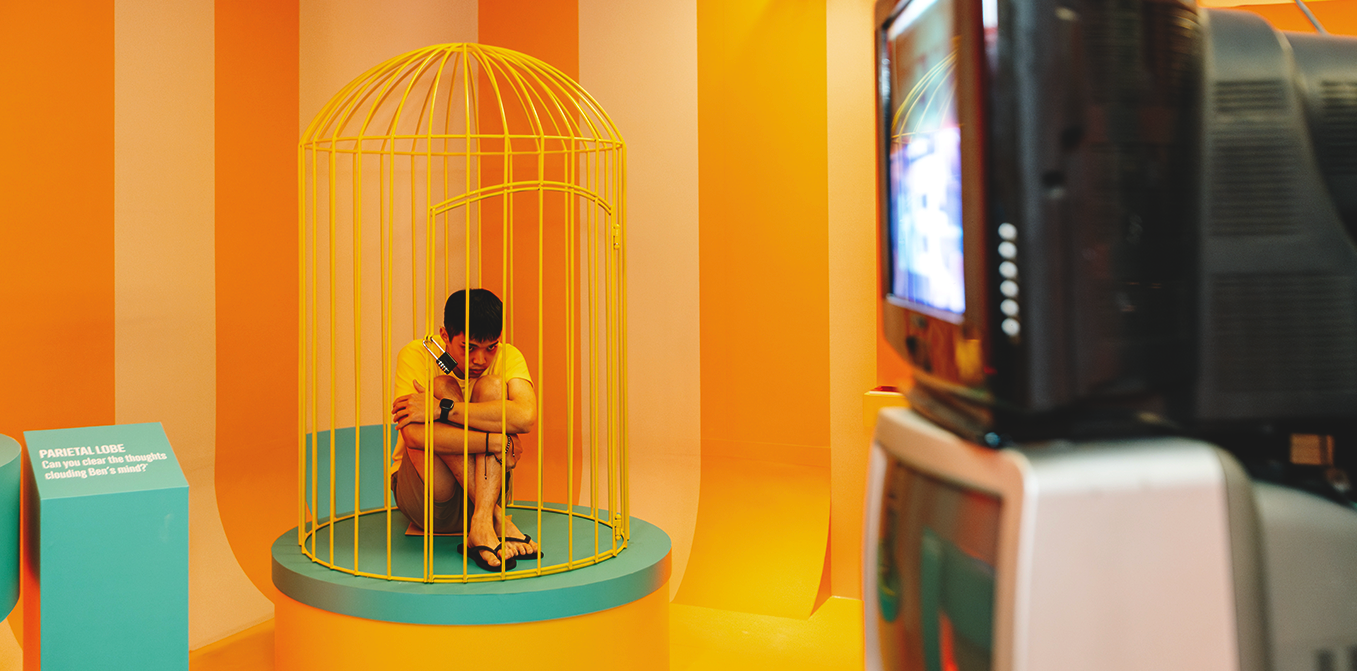
Chasing Experiences: What My Visit to Ben’s Brain Taught Me
[TL;DR: A reflection from a university student on the power of influences and how a recent experience at an escape room The Trip: What Happened in Larspura unlocked new perspectives when it came to drugs and her value to stay open-minded.] University felt like a huge step-up. The campus was huge, cross-faculty learning was invigorating, […]

Navigating Peer Influence: Finding Your Path
[TL;DR: Peer influence is powerful—sometimes in ways we don’t even realise. They can change our values and the way we behave sometimes for good but also sometimes for the worse. A strong understanding of what we value in life can help us to navigate through negative peer influence.] The Science Behind Fitting In (Photo taken […]

Press Release from Escape Room Event, “The Trip: What Happened in Larspura?”
Under Pressure: 62% of Youths Would Feel Pushed to Try Drugs at Social Events, CNB Survey Finds The Central Narcotics Bureau of Singapore launches “Uninfluenced”, its new campaign to carry drug-free advocacy into a new chapter for Singapore. In the coming months, watch as CNB’s campaign comes to life with intriguing ads, and a series […]